
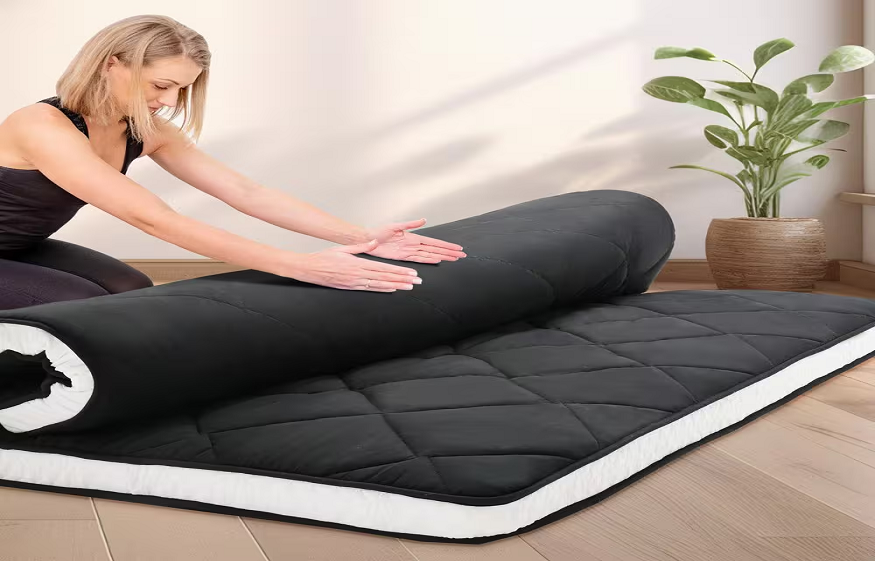
Selecting a surface for sleeping often feels like a balancing act between physical comfort and the practical limitations of where that surface must fit. Whether you are preparing a recreational space in nature or optimizing a shared bedroom, the logic remains consistent: you need to prioritize support, portability, and the specific structural requirements of the environment. Finding the best sleeping mattress for camping or the best mattress for bunk beds requires a clear understanding of how these different settings dictate your options.
The Practical Challenges of Choosing Sleep Gear for Unusual Spaces
It is easy to assume that comfort is the only factor that matters, but when dealing with specialized environments, the physical constraints often drive the decision-making process. In both camping and bunk settings, you are rarely working with a standard, open-floor plan. You are navigating weight limits, restricted vertical space, and the need for materials that can withstand non-traditional stressors.
Read More: Why is composite cladding the best cladding choice fo
When you look for the best sleeping mattress for camping, you are typically managing a trade-off between bulk and insulation. A thick, heavy surface might provide excellent cushioning, but if it requires significant effort to transport or does not fold into a manageable size, it becomes a burden. Conversely, a thin surface that saves space might leave you vulnerable to the temperature of the ground, leading to heat loss.
Similarly, when searching for the best mattress for bunk beds, you encounter different hurdles. You must account for the safety rails, the weight capacity of the frame, and the height of the mattress relative to those rails. A surface that is too thick can compromise safety, while one that lacks appropriate structural density might sag under the weight of someone using a bunk, reducing its useful life.
How Structural Factors Influence Your Selection
To determine the most appropriate option, you should first analyze the mechanism of the space. In a tent or a shelter, your primary concern is the barrier between you and the ground. If you are sleeping on uneven terrain, the surface needs to be resilient enough to maintain its shape without bottoming out. Some people find that air-filled models offer the most adjustability, allowing for a firmer or softer feel based on their preference. Others prefer foam-based options, which often offer more consistent temperature regulation and durability.
In a bunk bed setting, the surface must be compatible with a rigid platform, usually slats or a solid board. Because the mattress is not sitting on a box spring, it relies on its own internal construction to provide support. You should look for materials that distribute weight evenly and resist compression. High-density foams are often considered for these spaces because they tend to hold their profile well even with regular use, and they do not require the same depth that traditional spring-based options might need.
Key Considerations for Choosing a Reliable Sleeping Surface
Before you finalize a decision, consider how the usage frequency and environment shape the ideal outcome.
- Weight and Profile: For portable needs, every pound matters. Seek out options that prioritize lightweight, durable materials. For elevated beds, ensure the profile stays below the guardrail height to maintain the intended safety function.
- Insulation and Temperature: Surfaces used on the ground often act as heat sinks. Look for designs that include thermal-reflecting layers or specialized materials meant to prevent the cold from transferring from the earth to your body. For indoor bunks, breathability is key, especially for top bunks where rising heat can make the air feel warmer.
- Material Integrity: In both contexts, moisture can be an issue—either from humidity and condensation in a tent or from lack of airflow in a compact bunk setup. Choosing materials that resist moisture absorption or that are easy to clean can help maintain the longevity of the product.
- Ease of Maintenance: Ask yourself how the surface will be stored or cleaned. Does it have a removable cover? Is it puncture-resistant? A surface that is difficult to maintain will likely become a source of frustration rather than a tool for rest.
Strategies for Making a Well-Informed Choice
The most effective way to approach this decision is to verify the exact dimensions of your space before looking at products. In the context of a bunk bed, measure the distance from the top of the platform to the top of the safety rail. Subtract a few inches to ensure a safe margin. When it comes to camping, think about the footprint of your tent and how much floor space you are willing to dedicate to a sleeping area versus storage for other gear.
If you are uncertain about the firmness or feel of a particular model, ask the provider or manufacturer about the density of the foam or the construction of the inner support layers. Instead of relying on generalized labels like “plush” or “firm,” look for details on how the material reacts to pressure. A thoughtful, methodical approach to these specifications will yield better results than choosing based on appearance alone.
If you find yourself comparing multiple options, consider the long-term utility. Will this surface be used for one trip a year, or will it be a permanent fixture in a shared room? High-quality materials, while sometimes requiring a greater initial commitment, often prove more economical and reliable over time. By focusing on the specific demands of your environment—whether that is the uneven floor of a tent or the restricted dimensions of a bunk—you can find a surface that provides the consistent rest you need.
Read More: Why Hiring Certified Technicians for AC
Taking a measured approach to your environment’s specific requirements ensures that you are not just purchasing an item, but investing in the functional quality of your space. Whether you are equipping a bunk for a guest room or preparing for time outdoors, start by prioritizing the physical realities of the space itself. This foundational check is the most reliable way to navigate the options available and find the fit that works best for your circumstances.