

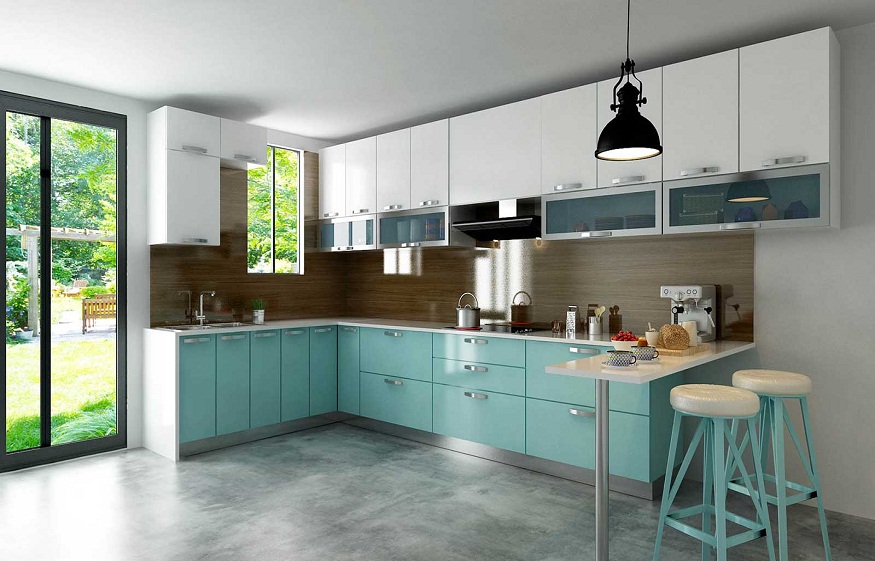
Online inspiration has changed the way people plan their homes. With endless images, mood boards and design ideas available at any time, it has never been easier to imagine a dream kitchen. Colours, layouts and materials can all be explored from a phone or laptop, often before any serious planning begins.
Yet while digital research is useful, there is still something valuable about experiencing a kitchen in person. A photograph can show style, but it cannot fully communicate scale, texture, movement or atmosphere. Kitchens are physical spaces, and the way they feel is just as important as the way they look.
The Limits of Online Inspiration
Online images are designed to impress. They are often professionally styled, carefully lit and photographed from flattering angles. While they can be inspiring, they rarely show how a kitchen works in everyday life.
Read More : Why Seeing a Kitchen in Person Still Matters
A space might look beautiful on screen but feel too cold, cramped or impractical in person. Colours may appear different under natural light. Materials may feel different to the touch than expected. Storage solutions may look neat in a photograph but feel awkward when used.
This is why online inspiration should be treated as a starting point rather than a final decision.
Understanding Scale and Proportion
One of the hardest things to judge online is scale. A kitchen island may look perfectly proportioned in a large showroom image, but that does not mean it will work in every home.
Seeing kitchens in person helps homeowners understand how dimensions translate into real life. Walkways, worktop heights, cabinet depths and seating spaces all become easier to assess when experienced physically.
This understanding is particularly important when planning a kitchen that needs to support cooking, dining, socialising and daily family life.
Why Materials Need to Be Experienced
Materials play a huge role in how a kitchen feels. Worktops, cabinetry, flooring and handles all contribute to the overall atmosphere of the room.
Images can suggest texture, but they cannot replace touch. The smoothness of a painted cabinet, the weight of a handle or the finish of a stone surface can only truly be understood in person.
Seeing materials together also helps homeowners make more confident decisions. Colours and textures interact differently depending on light, surrounding finishes and room size.
The Value of Asking Questions in Real Time
Planning a kitchen often raises questions that are difficult to answer alone. How much storage is enough. Which layout supports cooking most efficiently. How can natural light be used better. Which materials are practical for a busy home.
Visiting a showroom gives people the chance to ask these questions while looking at real examples. Conversations become more practical and specific. Instead of discussing abstract ideas, homeowners can point to features, compare options and understand the reasoning behind design choices.
This makes the planning process feel clearer and less overwhelming.
Moving From Ideas to Practical Decisions
Many people begin the kitchen design process with a collection of ideas rather than a clear plan. They may know what they like visually, but not how those preferences will work in their own space.
A showroom helps turn inspiration into direction. It allows people to refine their tastes, rule out unsuitable options and identify features that genuinely support their lifestyle.
This step is especially helpful when balancing aesthetics with practicality. A kitchen needs to look good, but it also needs to function well every day.
Why Local Context Matters
Searching for kitchen showrooms near me is often about more than convenience. Local showrooms can provide insight into homes, layouts and design preferences common to the area.
A designer who understands local property styles can offer more relevant advice. They may know how to work with period features, awkward extensions or typical room proportions found nearby.
This local understanding can make the design process feel more grounded and realistic.
The Role of Specialist Design Guidance
A well-designed kitchen is not created by choosing attractive finishes alone. It requires careful planning, technical knowledge and an understanding of how people move through a space.
Studios such as Kemp Kitchen Design Studio approach kitchen design with this broader perspective, considering layout, materials, lighting and long-term usability together. This helps ensure the final space feels cohesive rather than simply stylish.
Good design support helps homeowners make decisions with confidence, reducing the risk of costly mistakes or regrets.
Imagining Everyday Life
A kitchen is not a showroom image. It is a lived-in space. It needs to handle busy mornings, quiet evenings, family meals, hosting, homework and everything in between.
Seeing displays in person can help people imagine how their own routines might fit into a design. It becomes easier to picture where appliances should sit, how much workspace is needed and how the room might feel during different times of day.
Confidence Comes From Clarity
Kitchen projects involve many decisions, and it is normal for homeowners to feel unsure at different stages. Seeing options in person can reduce uncertainty.
When people understand how materials look, how layouts feel and how features function, decisions become easier. Confidence grows from having enough information to make choices that feel right.
This clarity is one of the biggest benefits of stepping away from the screen and into a physical design environment.
A More Personal Approach to Planning
Every home is different, and every household uses a kitchen differently. The best designs are shaped around real routines rather than generic trends.
Read More : FIBER CEMENT SIDING DESIGN IDEAS THAT INSTANTLY UPGRADE YOUR HOME’S EXTERIOR
A showroom visit allows for a more personal conversation. Instead of simply choosing from images, homeowners can discuss how they live, what frustrates them about their current kitchen and what they want the new space to achieve.
This makes the design process more meaningful and more likely to result in a kitchen that works long term.
Bringing the Vision to Life
Digital inspiration has its place, but the most important design decisions often happen when ideas become tangible. Seeing, touching and questioning options in person helps bridge the gap between imagination and reality.
A kitchen is one of the most used rooms in the home, so it deserves careful thought. By combining inspiration with real-world experience, homeowners can create spaces that feel beautiful, practical and personal.
The best kitchens are not just designed to be looked at. They are designed to be lived in.