
Most hard water problems do not appear suddenly. They build up slowly enough that people consider them normal household inconveniences. For instance, a tap that loses its shine within weeks, soap that never seems to rinse properly, or a geyser that starts performing less efficiently over time. These things usually don’t immediately point to water hardness.
In many cases, people only realise this issue after repeated maintenance or visible scaling begins to appear across multiple areas of the house. By then, hard water has usually been affecting plumbing systems, appliances, and daily water usage for quite some time.
Understanding the early signs of hard water can help homeowners identify whether a water softener is actually required before the effects become more difficult and expensive to manage.
Common Signs Your Home May Have Hard Water and Need a Water Softener
-
Limescale Build-Up on Taps, Showers, and Fixtures
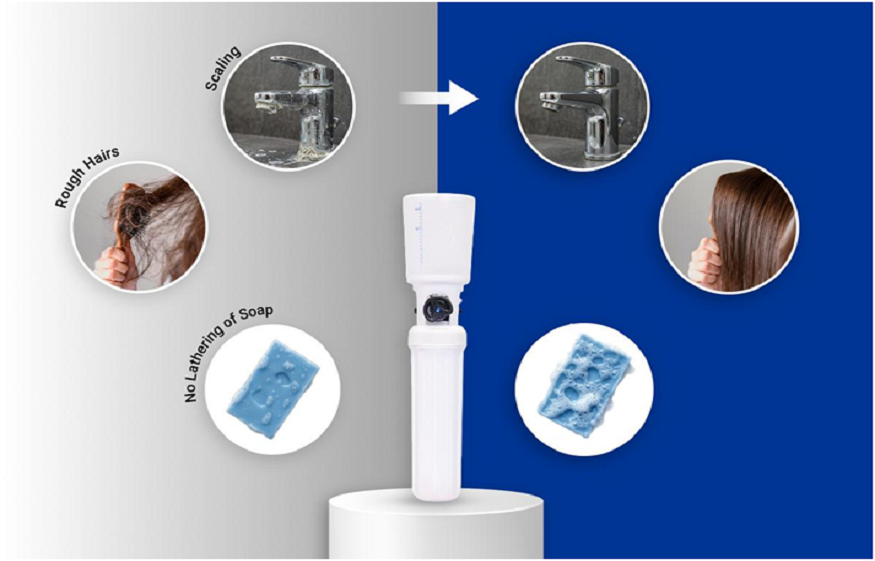
One of the most visible signs of hard water is the white or chalky layer that develops over taps, showerheads, and bathroom fittings. These mineral deposits gradually become harder to clean and may eventually restrict water flow if allowed to accumulate for long periods.
Read More: Finding the Right Sleeping Surface for Camping and
-
Soap and Shampoo Not Lathering Properly
You may have noticed that your soap or shampoo is not producing a rich lather. This may be because your water has high hardness. Hard water reacts with soap minerals, making it difficult to create a rich lather.
As a result, people often end up using more soap, shampoo, or detergent than usual while still feeling that surfaces, clothes, or even skin are not rinsing properly.
-
Dry Skin, Rough Hair, and Stiff Laundry After Washing
Water containing high mineral content can leave residue behind after bathing or washing clothes. Many people notice that their skin feels dry, hair becomes rough and frizzy, and laundry becomes stiff after repeated exposure to hard water.
While these effects can vary from person to person, they are among the most common complaints linked to water hardness.
-
White Stains on Utensils and Bathroom Surfaces
Hard water stains frequently appear on utensils, the bathroom floor, and the kitchen wash basin after the water dries. Even after cleaning the stains, they reappear since the dissolved minerals are always present in the water.
-
Reduced Efficiency of Geysers and Water-Using Appliances
Appliances that heat or store water, like geysers, are especially vulnerable to scaling. The mineral buildup inside geysers, washing machines, and dishwashers forces the system to work harder, which can gradually reduce efficiency and increase electricity consumption over time.
-
Frequent Plumbing and Maintenance Issues Caused by Scale
Scale accumulation inside pipes can slowly restrict water flow and increase pressure on plumbing systems. In many homes, repeated plumbing repairs become the first serious indicators that hard water is affecting the home.
Read More: Why is composite cladding the best cladding choice
Once these signs are visible, it is better to install a water softener for the home, as it can help prevent further deterioration of your home appliances, plumbing system and your own skin. If your consumption needs are less, you can always install a water softener for the bathroom, as it can help reduce the limescale buildup over taps and protect the geyser. A bathroom water softener can be used as a water softener for hair, as it will help maintain hair health and make it silky and shiny.
Conclusion
Being aware of these signs and knowing the impact that hard water can have on homes will assist people in determining whether it is necessary to install a water softener. If the correct system is installed, it can lead to smoother household operations and protect the lifespan of plumbing fixtures and appliances from hard water impact.