

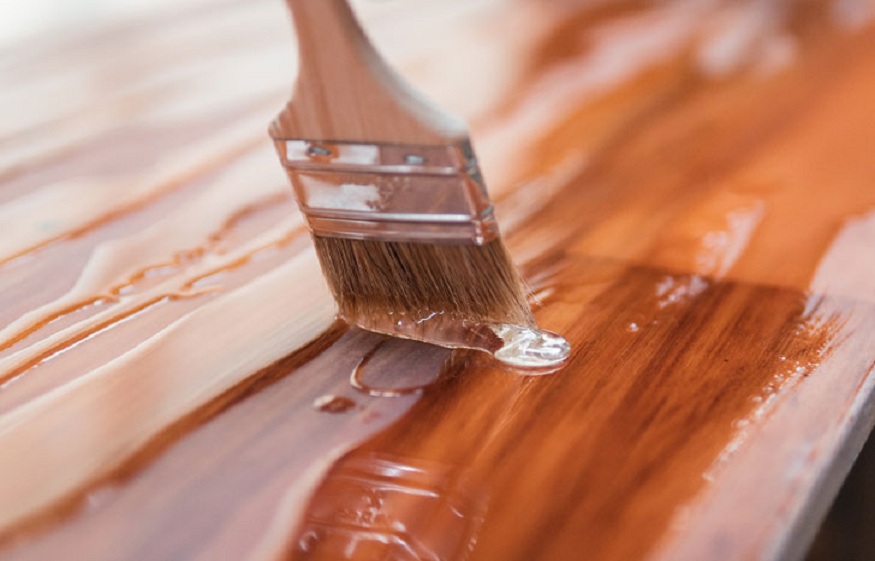
Wood adds warmth, beauty, and character to any space. From doors and windows to furniture and cabinets, well-finished wood can completely change how your home looks. But many people make small mistakes during wood finishing that lead to dull surfaces, cracks, or damage over time. These mistakes often happen because the basics are ignored. Let’s talk about the most common wood finishing mistakes and why primer, paint, and polish matter more than you think.
1. Skipping the Wood Primer
One of the biggest mistakes in wood finishing is not using a wood primer. Many people think primer is optional. It is not. Primer prepares the surface for paint or polish and helps it stick better.
Without primer, the wood absorbs paint unevenly. This leads to patchy colour and weak protection. Primer also seals the pores of the wood, preventing moisture from entering. This is especially important for wooden doors, windows, and furniture exposed to humidity.
Using the right wood primer creates a smooth base and increases the life of the final finish.
2. Poor Surface Preparation
Another common mistake is rushing through surface preparation. Applying paint or wood polish on dusty, rough, or oily wood never gives good results. The surface must be cleaned properly and sanded well before any product is applied.
Sanding removes old paint, scratches, and uneven spots. It also helps the primer and polish grip the wood better. Skipping this step can cause peeling, bubbles, and uneven shine later on.
A little time spent on preparation saves a lot of trouble in the future.
3. Using the Wrong Type of Paint or Polish
Not all wood is the same, and neither are finishing products. Using the wrong paint or wood polish can damage the surface or reduce its lifespan. For example, indoor polish may not work well on outdoor furniture, and glossy finishes may highlight flaws instead of hiding them.
Choosing products that suit the type of wood and its location is very important. Matte, semi-gloss, and glossy finishes all serve different purposes. Always check the product instructions before applying.
4. Applying Thick Coats
Many people believe that thick coats mean better protection. In reality, thick layers often cause drips, cracks, and uneven drying. This is a very common mistake in wood finishing.
It is always better to apply thin, even coats. Let each coat dry fully before applying the next one. This method gives a smooth finish and long-lasting protection.
Patience makes all the difference.
5. Ignoring the Role of Wood Polish
Some people stop after painting and skip polishing altogether. This is a mistake. Wood polish is not just for shine. It adds a protective layer that guards against scratches, stains, and moisture.
Polish also enhances the natural beauty of wood grain. Regular polishing helps keep wooden surfaces looking fresh and new for years. Whether it’s furniture, doors, or cabinets, polish plays a key role in maintenance.
6. Not Repairing Damage Before Finishing
Cracks, holes, and loose joints should never be ignored. Painting or polishing over damaged wood only hides the problem temporarily. Over time, the damage becomes worse.
If you notice broken edges, termite damage, or loose fittings, it’s best to fix them first. Searching for a reliable carpenter near me for repair work can save you money and stress in the long run. Professional repair ensures the surface is strong and ready for finishing.
7. Skipping Drying Time
Drying time is often underestimated. Applying primer, paint, or polish too quickly, without proper drying, leads to poor results. The finish may look fine at first but can peel or crack later.
Always follow the recommended drying time between coats. Good airflow also helps in proper drying and better finish quality.
Final Thoughts
Wood finishing is not just about making things look good. It’s about protection, durability, and long-term beauty. Using a proper wood primer, choosing the right paint, and finishing with quality wood polish can make a huge difference.
Avoid rushing the process and don’t ignore repairs. When in doubt, getting help from a skilled carpenter near me for repair work is a smart choice. With the right steps and a little care, your wooden surfaces can stay strong and beautiful for many years to come.