

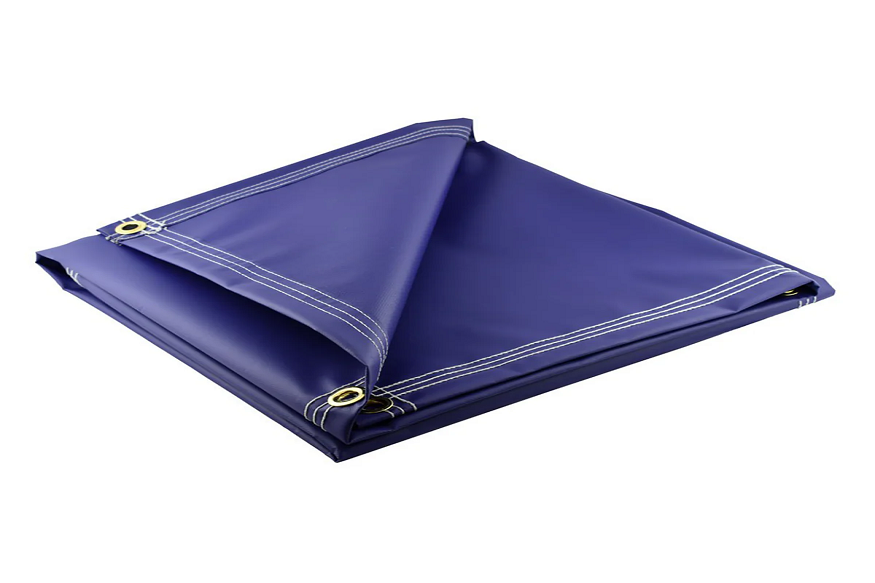
When it comes to heavy-duty protection for industrial, agricultural, or residential use, few materials are as trusted as vinyl. Known for their exceptional strength and resistance to the elements, vinyl tarps are the go-to choice for truck covers, construction sites, and outdoor equipment protection. However, like any piece of equipment exposed to the rigors of the outdoors, vinyl tarps is an investment that will eventually succumb to wear and tear. Understanding the typical lifespan of these covers and the specific environmental and mechanical factors that shorten or extend their utility is essential for anyone looking to maximize their value.
The Typical Life Expectancy of a Quality Vinyl Tarp
Under normal operating conditions, a high-quality vinyl tarp can be expected to last anywhere from five to ten years. Some heavy-duty versions, especially those maintained with extreme care, have been known to remain functional for well over a decade. This longevity is a significant step up from polyethylene tarps, which often degrade within a single season of intense sun exposure. The secret to this durability lies in the construction of the material itself. Most vinyl tarps are composed of a high-tenacity polyester scrim that is coated or laminated with polyvinyl chloride. This combination creates a waterproof, tear-resistant barrier that is designed to withstand significant stress.
The wide range in lifespan is usually attributed to the weight and thickness of the vinyl. In the industry, this is typically measured in ounces per square yard. A lightweight ten-ounce vinyl tarp will naturally have a shorter lifespan than an eighteen-ounce or twenty-two-ounce version used for long-haul trucking. While the initial cost of a thicker tarp is higher, the extended years of service often make it the more economical choice for permanent or high-frequency applications.
The Impact of Ultraviolet Radiation and Heat
The single greatest enemy of any synthetic outdoor material is the sun. Ultraviolet rays cause a chemical process known as photo-degradation, which breaks down the polymer chains within the vinyl. Over time, this leads to fading, loss of flexibility, and eventually, a brittle texture that is prone to cracking. A tarp that spends its entire life in a high-altitude, desert environment will reach the end of its lifespan much faster than one used in a temperate climate with significant shade.
To combat this, manufacturers incorporate ultraviolet stabilizers into the vinyl coating. These additives act as a chemical sunscreen, absorbing or reflecting the harmful radiation to protect the structural integrity of the tarp. When choosing a vinyl tarp, it is crucial to verify that it has been treated for ultraviolet resistance. Even with these stabilizers, prolonged heat can cause the plasticizers in the vinyl to migrate to the surface and evaporate, which is why older tarps often feel stiff and lose their ability to fold easily without cracking.
Wind Stress and Mechanical Wear
While the chemical makeup of the tarp determines how it handles the sun, the way it is installed determines how it handles physical stress. Wind is a major factor in tarp failure. If a tarp is not secured tightly, the wind can cause it to “whip” or flutter. This constant flapping creates immense stress on the grommets and the internal polyester mesh, eventually leading to fraying and catastrophic tears. This is a common issue with flatbed truck tarps, where the high speeds of highway travel turn even a small amount of slack into a powerful mechanical force.
Mechanical abrasion also plays a role in the degradation process. If a tarp is draped over sharp edges, such as the corners of a metal crate or the jagged ends of lumber, the vibration and movement of the load will slowly saw through the vinyl. Using edge protectors or moving pads at these contact points can significantly extend the life of the cover. A tarp that is kept taut and protected from sharp friction points will always outlast one that is left to rub against abrasive surfaces.
Conclusion
A vinyl tarp is one of the most resilient tools in a homeowner or business owner’s arsenal, but it is not invincible. The journey from a brand-new, flexible cover to a worn-out sheet is determined by a combination of material quality, environmental exposure, and the diligence of the user. By selecting the appropriate weight for the task, ensuring a tight and secure installation to prevent wind damage, and practicing proper cleaning and storage habits, you can push the lifespan of your tarp toward the upper end of its potential.