

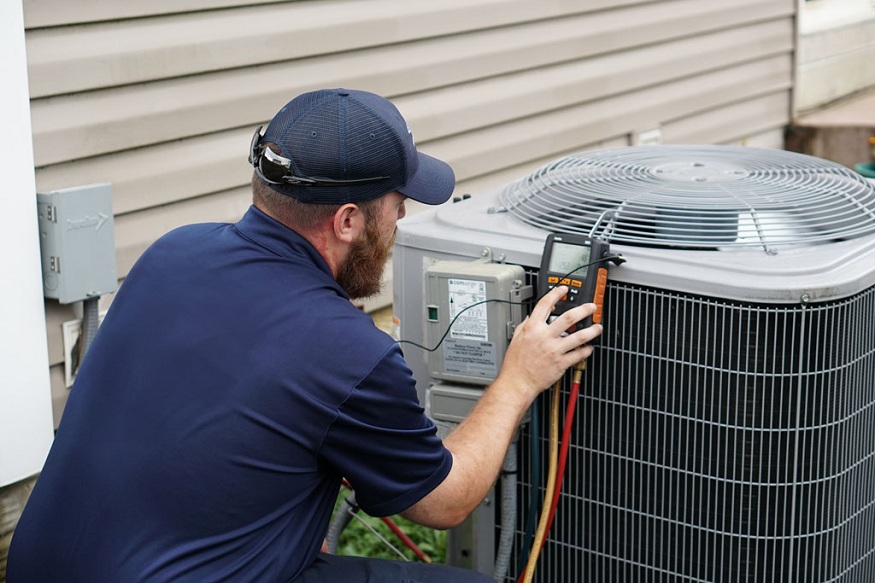
As energy costs continue to rise and environmental concerns grow, people are now looking for heating solutions that are not only reliable but also economical and environmentally responsible. Heat pumps are emerging as one of the most promising answers to these needs. With their ability to deliver efficient heating while reducing energy consumption, heat pumps are shaping the future of modern heating systems.
How Heat Pumps Work?
Unlike traditional heating systems that generate heat by burning fuel, heat pumps work by transferring heat from one place to another. They extract heat from natural sources such as air, ground, or water and move it indoors to warm living spaces. Even in colder weather, these sources contain enough heat to be used effectively. Because heat pumps move heat rather than create it, they require far less energy to operate, making them highly efficient.
Here’s Why Heat Pumps Are the Future of Energy Efficient Heating
As electricity production increasingly shifts toward renewable sources like solar and wind, heat pumps become even more sustainable. Their efficiency allows households to make better use of clean energy, further reducing environmental impact.
Exceptional Energy Efficiency
One of the strongest advantages of heat pumps is their impressive efficiency. Conventional heating systems usually produce heat in a one to one ratio, meaning the energy used equals the heat produced. Heat pumps, on the other hand, can provide three to four times more heat than the electricity they consume. This results in significantly lower energy usage and reduced heating bills over time.
Environmental and Climate Benefits
Heat pumps play a key role in reducing carbon emissions. By relying on electricity instead of fossil fuels, they help cut down the release of harmful greenhouse gases. This makes them an important solution for countries and communities aiming to meet climate goals and reduce dependence on non renewable energy sources. Modern heat pump systems are also designed with environmental safety in mind, using advanced technology that minimises emissions while delivering consistent performance.
Long-term Cost Benefits
Although the initial cost of installing a heat pump can be higher than traditional heating systems, the long term financial benefits are substantial. Lower energy bills, reduced maintenance needs, and longer system lifespans all contribute to overall savings. In many regions, government incentives and energy efficiency programs further help offset installation costs, making heat pumps a smart investment for the future.
Year-round Comfort and Flexibility
Heat pumps offer more than just heating. They can also provide cooling during warmer months by reversing their operation. This means one system can deliver comfortable indoor temperatures throughout the year. Heat pumps also distribute heat evenly, creating a more comfortable and consistent indoor environment compared to conventional systems.
Conclusion
Heat pumps represent a major step forward in the evolution of energy-efficient heating. Their ability to reduce energy consumption, lower environmental impact, and provide reliable year round comfort makes them an ideal solution for modern homes and buildings. As sustainability and efficiency become essential priorities, heat pumps and water heaters are set to become the preferred choice for the future of heating.